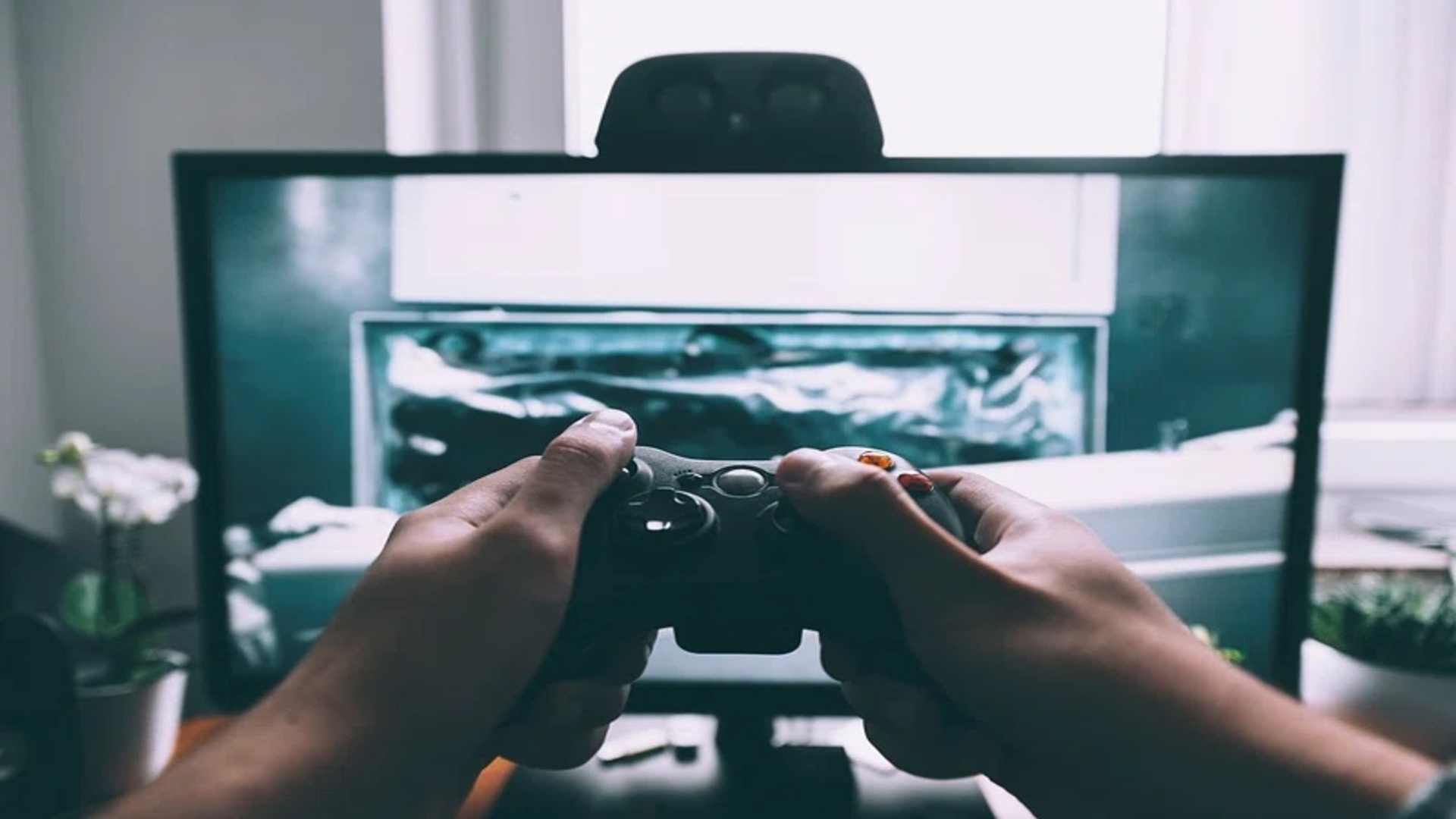
The global gaming landscape has transformed remarkably over the last decade, shifting from solitary digital experiences to highly interactive virtual worlds. Modern online arenas require participants to think ahead, manage resources effectively, and adapt to changing conditions in real time to secure victory. Success in these environments relies heavily on sophisticated decision-making and the deployment of creative tactical approaches.
The Evolution of Digital Tactical Planning
Contemporary multiplayer spaces have evolved past simple fast-paced action to emphasize deep cognitive engagement. Players are no longer passive consumers but active participants who must continuously analyze the movements of their opponents. This fundamental shift demands that teams establish robust cooperation frameworks before entering intense matches.
By understanding complex mechanics, individuals can formulate dynamic plans that counter traditional playstyles. Successful deployment of these approaches requires hours of practice and a thorough grasp of the digital ecosystem. Consequently, the global community continuously discovers fresh tactical boundaries that keep competitive matches unpredictable.
Building Effective Team Coordination
Achieving victory in modern multiplayer environments is rarely an individual effort anymore. Teams must establish exceptional communication channels to manage map control and resource distribution seamlessly. Each participant needs to understand their specific role while maintaining flexibility to assist coordinates during crisis moments.
To explore platform dynamics that support diverse gaming interests, you can visit M88asia for modern digital insights. Engaging with specialized hubs helps players understand the overarching frameworks necessary for long-term collaborative success. Ultimately, mastering these team-oriented coordinates prepares modern enthusiasts for high-stakes tournaments.
Adapting Real Time Choices Under Pressure
The most exciting aspect of online battlefields is the constant requirement for rapid adaptation. A pre-planned approach can easily fail if the opposing team introduces an unexpected tactical variation. Therefore, elite competitors train themselves to maintain extreme psychological resilience during critical matches.
Making split-second choices allows teams to exploit minor weaknesses in the opponent's defensive line. This high level of cognitive flexibility separates casual gamers from experienced professionals who dominate global leaderboards. It ensures that every session remains unique, highly rewarding, and filled with intellectual stimulation.
The Future of Competitive Online Matches
As network infrastructure improves worldwide, the complexity of multiplayer tactical designs will continue to expand. Developers are constantly rolling out regular updates and new environments that alter existing balanced systems. This continuous evolution forces communities to constantly refine their personal playstyles to stay relevant.
New technologies will likely introduce deeper layers of strategic coordination among global participants. The pursuit of innovative collaborative systems ensures that the genre remains a dominant force in digital entertainment. Passionate players can look forward to even more sophisticated arenas that test the absolute limits of human intelligence.